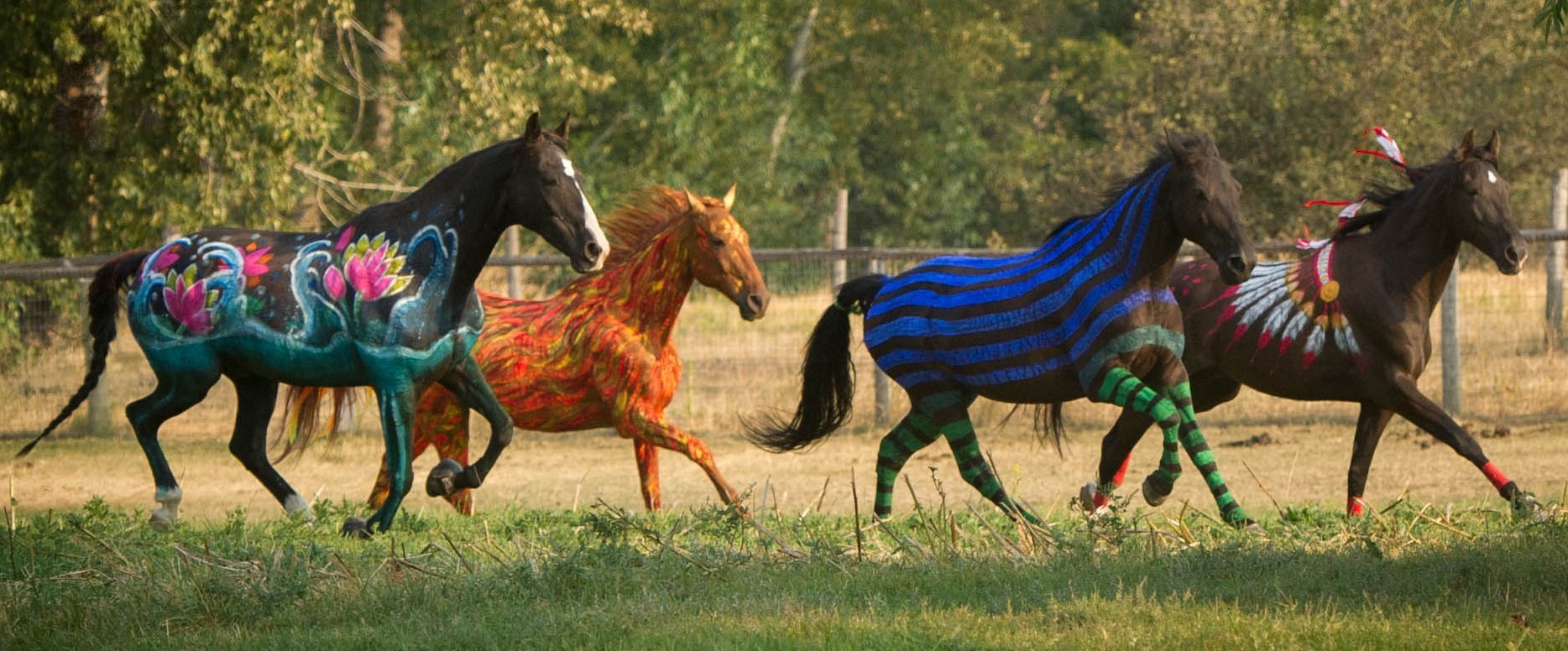
THE Destination Ranch of Western Montana

Where Horses are Partners and Guests are Friends
Dunrovin is a Small Boutique Guest Ranch
Where You Can Expect The Unexpected
We do guest ranch differently. We prize people and animals for their individuality. We embrace all walks of life. We celebrate the wonders of nature. We live in the moment.
Our relaxed atmosphere allows us to the take the time to partner guests with our horses, swap stories, watch the birds, play in the river, and become friends.
Come share our world with us.
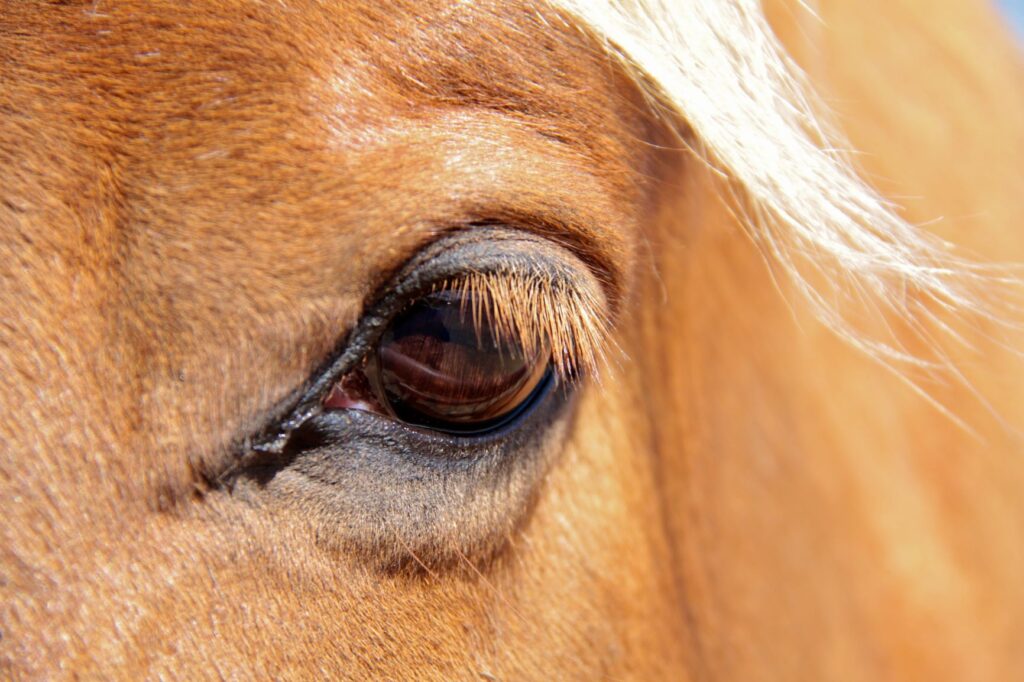
Dunrovin Ranch guest accommodations offer a private setting, ideal for vacationing families, business travelers, parents visiting their University of Montana students, or area locals seeking a weekend retreat. With only two guest units, Dunrovin Ranch feels more like visiting a favorite aunt and uncle than staying at a commercial lodging.
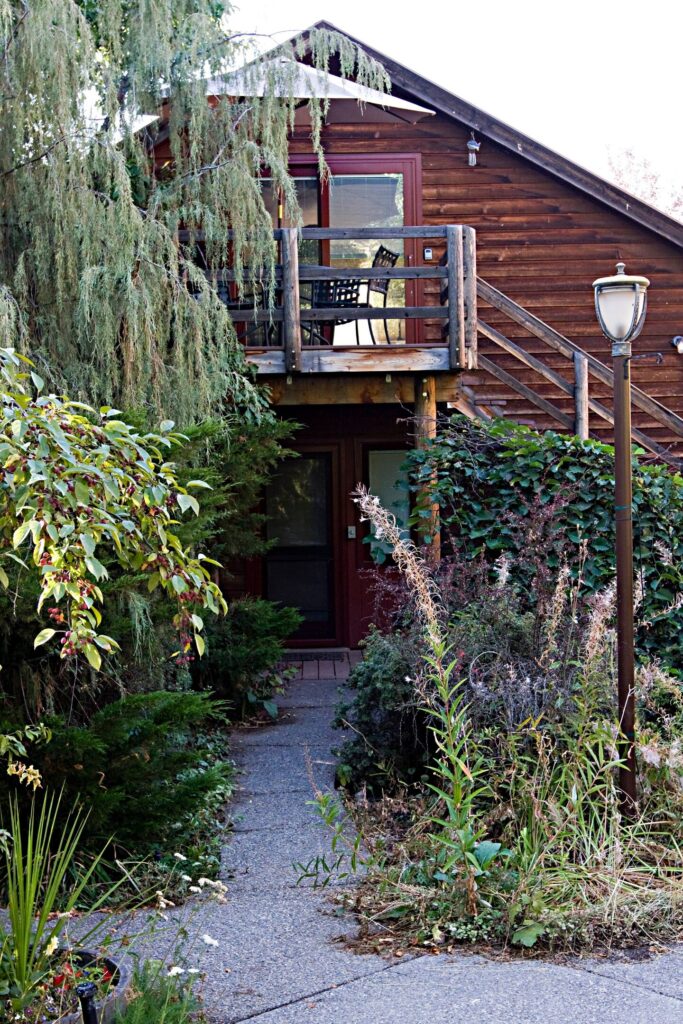
2 Private Apartments
Accommodations are available on a nightly, weekly, or monthly basis. Both units have full kitchens, multiple beds, satellite TV and WiFi internet connection. All guests have access to the laundry facilities, barbecue grills, and fire pits. We offer our rentals exclusively through Airbnb. (You may contact us directly if you have a special request.)
The Miller family has long been interested in the Lewis and Clark Expedition and Dunrovin Ranch was mistakenly identified as the sight of Travelers Rest where Lewis and Clark camped en route to and from the Pacific Ocean in 1805 and 1806. Hence, the guest accommodations at Dunrovin have been named in honor of Captain Meriwether Lewis and Co-captain William Clark. In Dunrovin’s guest accommodations, you will find pictures of these two famous men along with plenty of reading material about their epic expedition across the Louisiana Purchase that transferred much of the west from French to United States ownership.
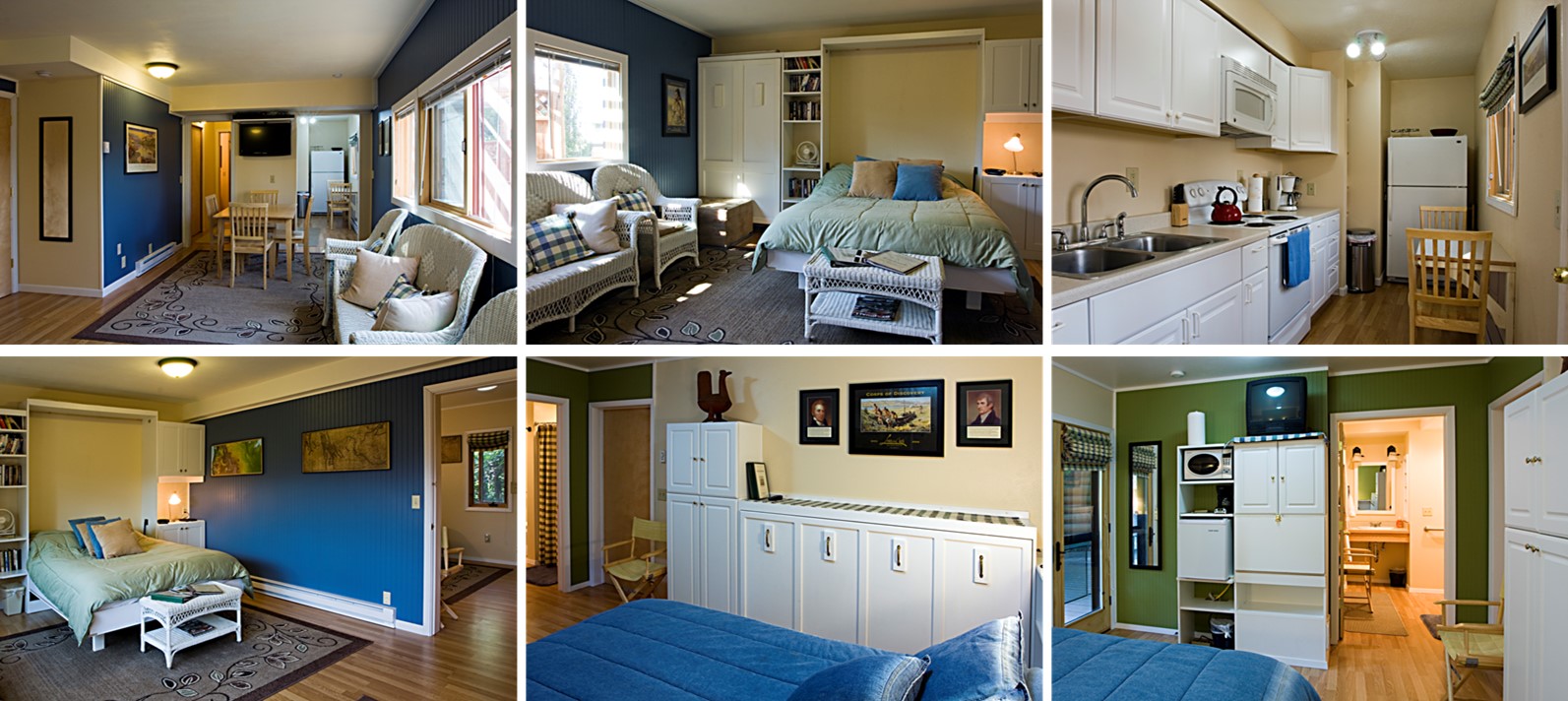
The Lewis and Clark Apartment
The Lewis and Clark Apartment is located on the ground floor and includes a studio with one queen bed, one twin fold out bed, a full kitchen, dining and sitting area, and a full bath plus and separate bedroom suite with one queen bed, one twin bed, its own bathroom and a separate outside door to a garden patio.
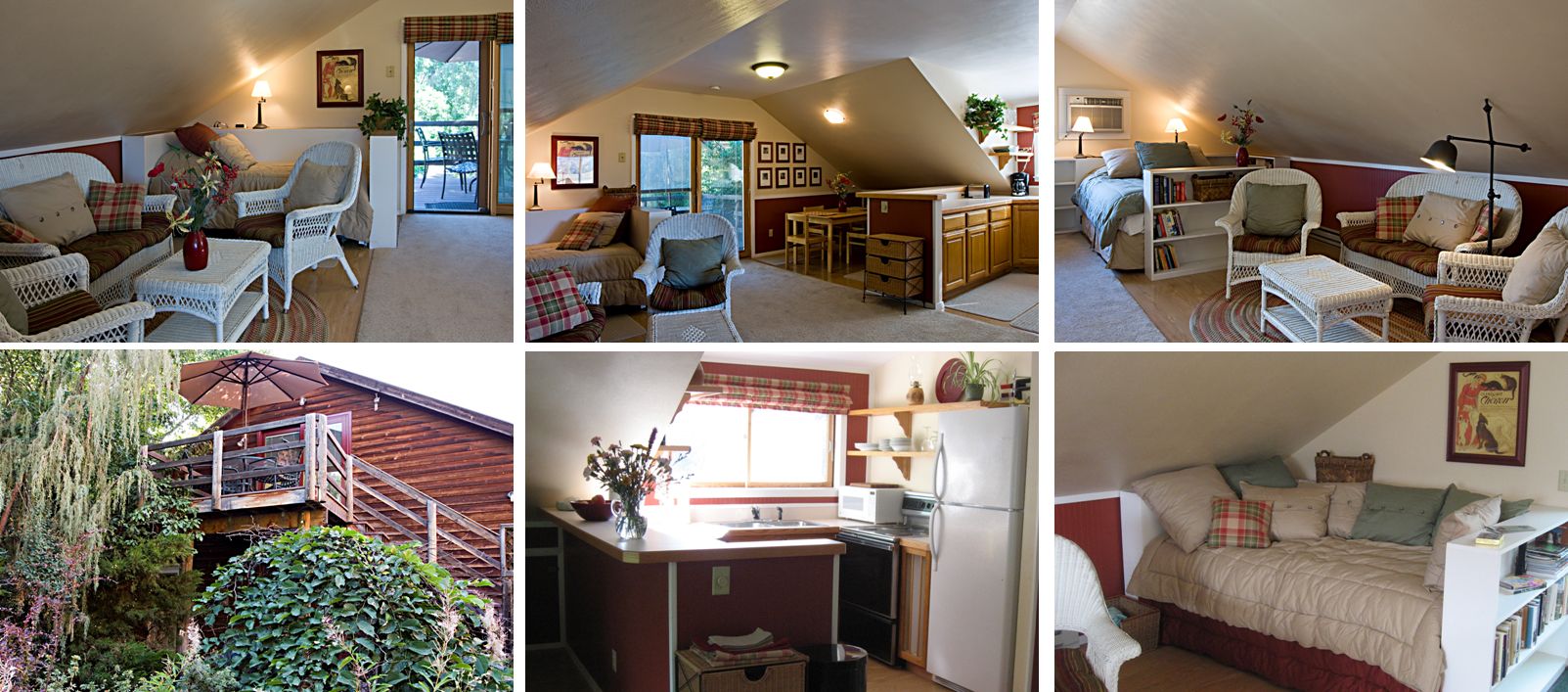
The Louisiana Studio Apartment
The Louisiana Purchase guest unit has a French cottage flair. On the second story and overlooking the garden, the scenic Bitterroot River, and the riparian corridor, this studio apartment includes one queen bed, two twin beds, a full bath, full kitchen, sitting area, dining area, air conditioning, and a private patio deck.
Rides for All Ages
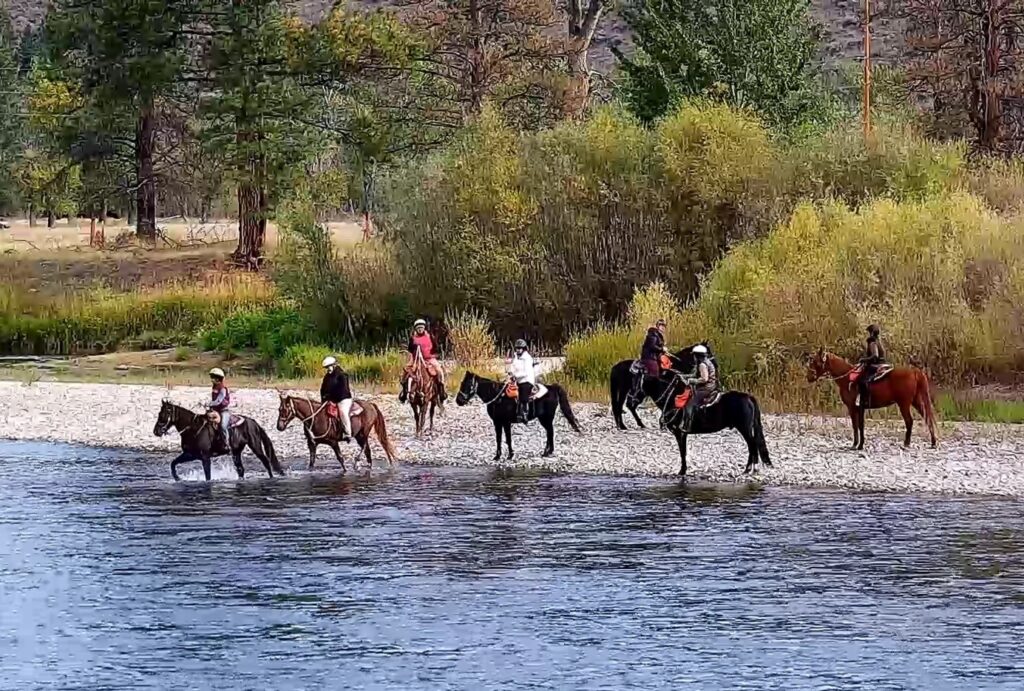
Dunrovin offers a variety of riding opportunities with our smooth gaited Tennessee Walking Horses. Our rides include corral sessions with horse back games for groups, riding lessons, ranch rides along the scenic Bitterroot River, and river rides that cross the Bitterroot River, forest rides in the Lolo National Forest, and historical rides along the trail of Lewis and Clark. Book your Montana horseback experience today.
Other Horse Activities
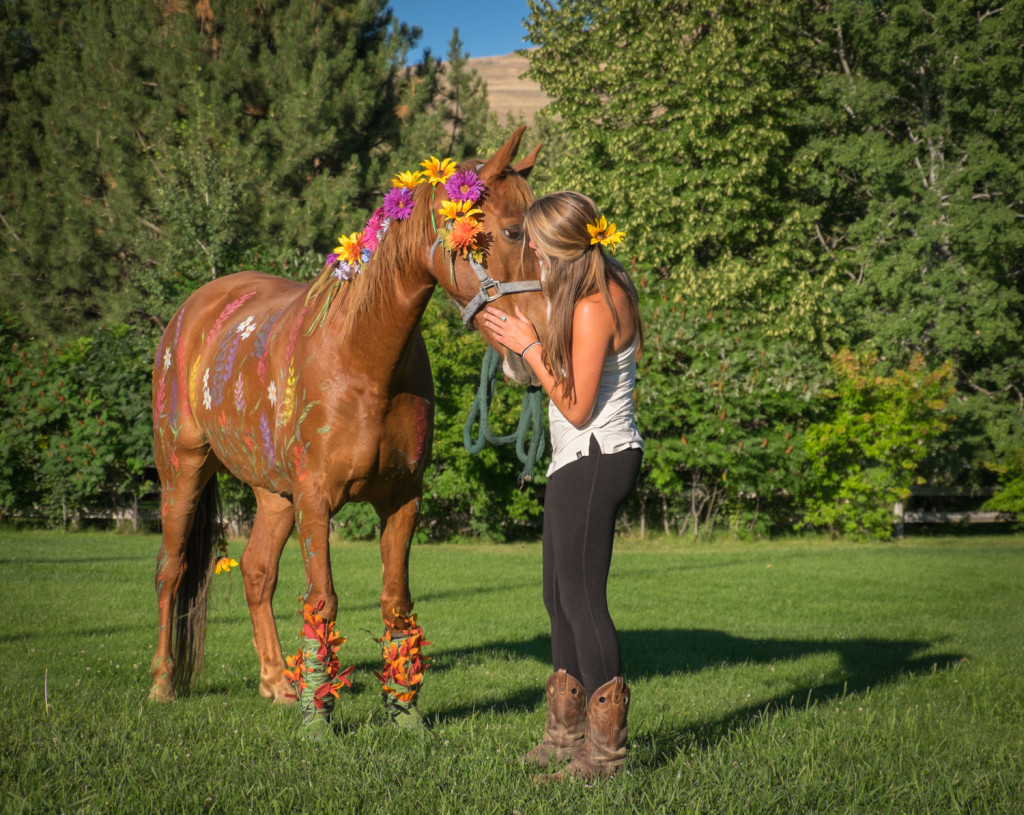
Check out Dunrovin Ranch's Horsing Around Programs designed to appeal to people of all ages and all interest in horses - those who want to ride and those who want a non-riding horse experience. Sign up for individual of group horseback riding lessons. Get the whole family riding during a corral session of horseback games and instructions. Learn about yourself and horses as you participate in an equine assented educational leadership program. Spend a couple hours grooming and washing horses on a hot summer afternoon.
Unique Event Venue
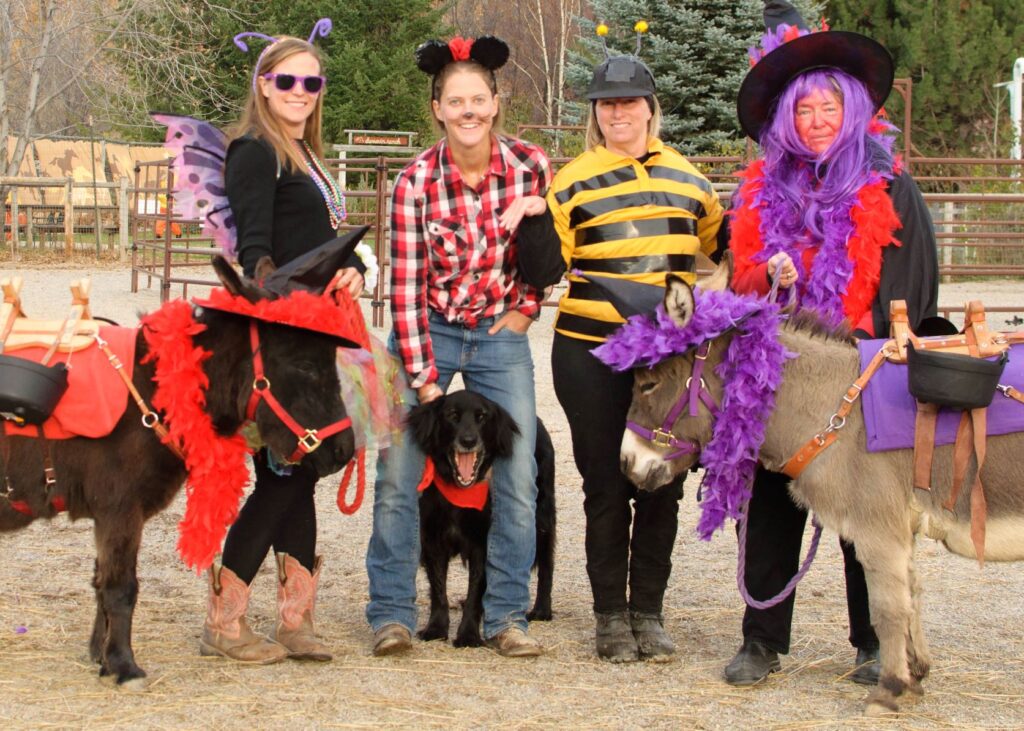
From weddings, to holiday celebrations, to family reunions, to business retreats and other special events, Dunrovin Guest Ranch is host to countless memory-making activities every year. The combination of our unique charm, exciting activities, and friendly, knowledgeable, and dedicated staff makes for the perfect venue for any occasion.